












Stack Your Way to High Scores in Block Arcade
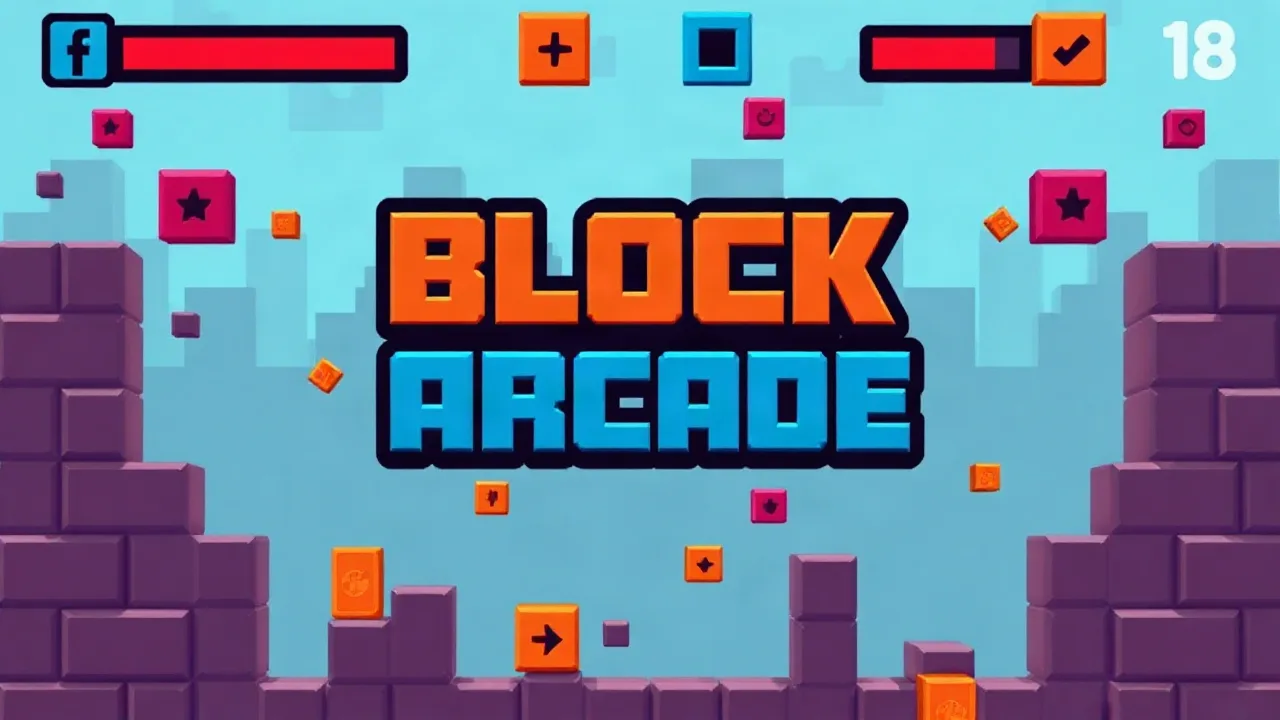
Block is a fast-paced arcade game that keeps your focus sharp and your reflexes moving. Every round is built around stacking, clearing, and surviving as the pace builds, making it a quick session you can jump into whenever you have a few minutes to spare.
What Makes Block a Quick Arcade Pick
Simple Rules, Deep Challenge
One of the best things about Block is how quickly you can understand what is happening on screen. You do not need a long tutorial or a complex control scheme to start playing. The challenge comes from the speed, the placement decisions, and the growing pressure as rounds move forward. That combination of simplicity and difficulty is what keeps players coming back for one more attempt.
Because the core loop is easy to grasp, the game rewards players who pay attention to the details. Where you place a piece, how you plan your next move, and how calmly you react under pressure all matter. It is the kind of arcade experience that feels casual at first and then becomes surprisingly intense once you start chasing higher scores.
Game Quick Reference
| Feature | Details |
|---|---|
| Gameplay style | Arcade stacking and clearing |
| Controls | Simple directional and placement inputs |
| Session pace | Quick rounds that build in speed |
| Device fit | Works well for short mobile or desktop sessions |
| Category match | Arcade Games |
| Best for | Score chasers and casual puzzle fans |
How the Core Loop Keeps You Hooked
Every round in Block follows a rhythm that feels familiar but never gets stale. You are always making a quick decision, watching the result, and adjusting for what comes next. That loop is what makes the game easy to pick up and hard to put down. There is always a sense that you could do just a little bit better on the next run.
The scoring system encourages you to think beyond survival. It is not just about staying in the game as long as possible. It is about making smart choices that push your total higher. That tension between playing it safe and going for a bigger score is what gives Block its arcade energy.
Building Better Placement Habits
Improving at Block comes down to a few habits that any player can build with practice. First, look at the whole board before you commit to a move. It is easy to focus only on the piece in front of you, but the best players are already thinking one step ahead.
Second, keep your board tidy. Clean lines and open space give you more options as the pace picks up. Messy placement might work in the short term, but it usually catches up with you when things speed up. Third, stay calm when the pressure builds. Panic leads to rushed decisions, and rushed decisions are how most runs end.
Why Quick Arcade Sessions Feel So Satisfying
Block is built for the kind of play session that fits into a break, a commute, or a quiet moment at home. You do not need to commit to a long story or a complex progression system. You can open the game, play a few rounds, and walk away feeling like you accomplished something.
That instant feedback loop is what makes arcade games so popular. Every round gives you a clear result, a score to beat, and a reason to try again. It is a simple idea, but it is one that keeps players engaged without feeling like a chore.
Reading the Board Under Pressure
As the rounds progress, the pressure to make quick decisions gets heavier. This is where experience starts to show. Players who have spent time with Block learn to read the board faster, spot opportunities sooner, and recover from mistakes without losing their rhythm.
It is not about being perfect. It is about being adaptable. Every round throws slightly different situations at you, and the players who last the longest are the ones who stay flexible instead of sticking to a single strategy. That adaptability is what separates a decent run from a great one.
Chasing Higher Scores Without Burning Out
Score chasing can be addictive, but it is important to keep the experience enjoyable. Block makes this easy because each round is short and self-contained. You are not grinding through long levels or repetitive tasks. You are simply trying to beat your last result, one quick session at a time.
The best approach is to treat each run as its own thing. Learn from what went wrong, celebrate what went right, and jump back in when you feel ready. That mindset keeps the game fun and helps you improve naturally over time.
Where Block Fits in a Casual Gaming Routine
If you enjoy browser games that are easy to start and rewarding to master, Block fits right in. It is a solid pick for players who like arcade games with clean visuals, quick rounds, and a scoring system that keeps things interesting. You can find it alongside other free online games when you are looking for something to play in a spare moment.
Whether you have five minutes or an hour, Block gives you a reason to keep playing. It is the kind of game that works as a warm-up, a break, or a way to wind down at the end of the day.
Frequently Asked Questions
What kind of game is Block?
Block is an arcade game centered around stacking and clearing mechanics. It focuses on quick decision-making, placement strategy, and chasing high scores.
Do I need to learn complex controls?
No. The controls are simple and easy to pick up. The challenge comes from timing, placement, and staying focused as the pace increases.
How long is a typical session?
Sessions can be as short or as long as you like. Rounds are quick, which makes Block a good fit for casual play throughout the day.
Is Block good for beginners?
Yes. The rules are straightforward, and the game is easy to start playing. New players can learn the basics quickly and then work on improving their scores.
Can I play Block on different devices?
Block is designed to work well across different screen sizes, making it a flexible choice whether you are on a phone, tablet, or desktop.