


Rescue Every Fish in This Addictive Puzzle Challenge
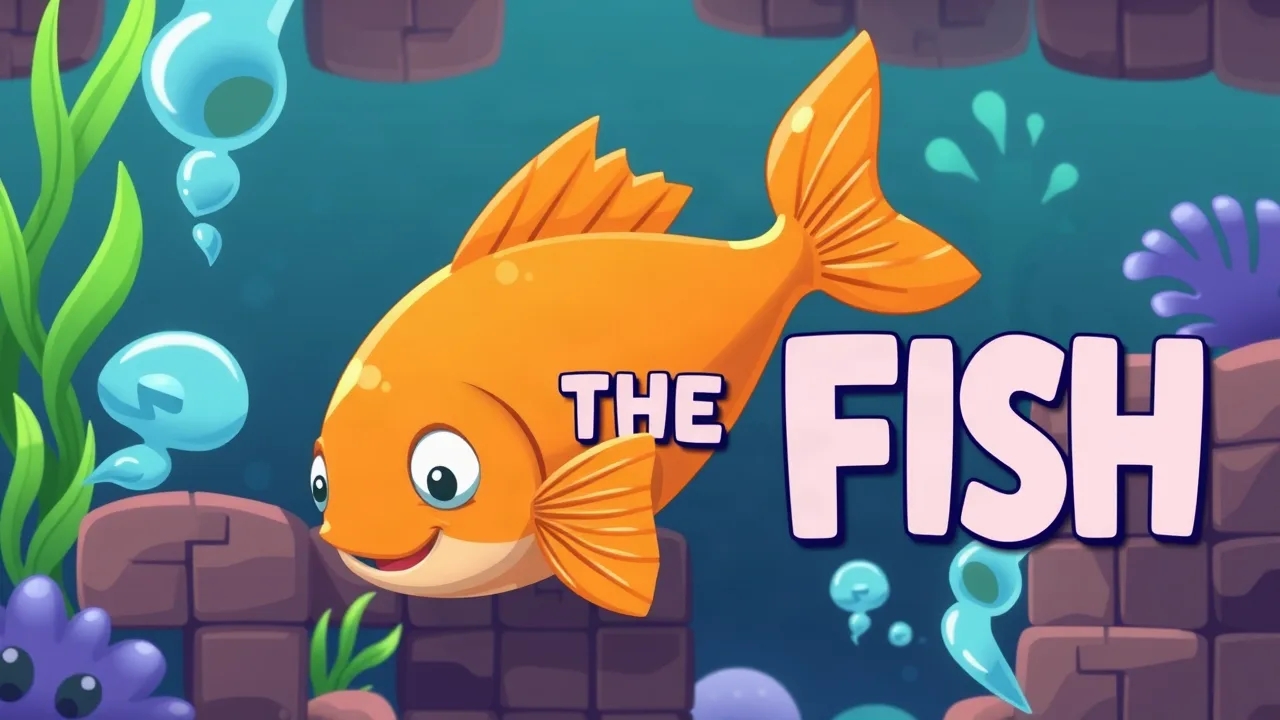
Save the Fish is a charming puzzle game where quick thinking and a steady hand stand between a tiny fish and a very bad day. Each level drops you into a compact water-themed challenge, and your goal is simple: guide every fish safely to open water before time runs out or danger closes in.
What Makes Save the Fish Worth Playing
How the Puzzle Loop Works
Every stage in Save the Fish presents a self-contained problem. Obstacles block the path, hazards drift through the water, and safe routes shift as you interact with the environment. You study the layout, spot the pattern, and commit to a plan. The best runs come from reading the level before you move, because one wrong tap can send a fish straight into trouble.
The difficulty curve stays friendly early on, then quietly tightens. Later levels mix multiple hazards at once, forcing you to prioritize which fish to rescue first and which paths to clear before making your approach. That steady ramp keeps short sessions feeling rewarding without ever becoming punishing.
| Feature | Details |
|---|---|
| Gameplay style | Puzzle-solving with fish rescue objectives |
| Controls | Simple tap or click interactions |
| Session pace | Short levels designed for quick play bursts |
| Device fit | Works well on desktop and mobile browsers |
| Category match | Puzzle and casual strategy |
Why the Fish Rescue Theme Works
The premise is instantly readable. You see a fish in trouble, and you know exactly what needs to happen. That clarity removes the learning curve most puzzle games carry, so you spend your mental energy on the puzzle itself rather than on figuring out the goal. It also gives every level a small emotional payoff. Watching a fish slip safely into open water after a tricky sequence feels genuinely satisfying.
The water-themed art keeps the screen calm even when the puzzles get tense. Clean visuals and readable hazards mean you never lose track of what matters, which is essential in a game where one misplaced move ends the run.
Controls That Stay Out of the Way
Save the Fish uses a minimal control scheme. You interact directly with the environment, clearing obstacles and opening paths with simple inputs. There is no complex button layout to memorize and no tutorial wall to climb. This makes the game approachable for casual players while still leaving plenty of room for clever solutions on harder stages.
Because the controls are so lean, the challenge always comes from the level design rather than from mechanical execution. That focus on problem-solving over reflexes is what keeps players coming back for one more attempt.
Session Length and Pacing
Levels are built for short bursts. You can clear a handful of stages in a coffee break or settle in for a longer run when you want to chase a streak. The game never demands a big time commitment, which makes it easy to fit into a busy day.
The pacing inside each level also works well. There is enough time pressure to keep you moving, but not so much that you feel rushed into mistakes. That balance rewards careful observation without punishing players who like to think before they act.
Strategies for Rescuing Every Fish
Start by scanning the whole level before touching anything. Identify where the fish are, where the exit is, and what hazards sit between the two. Then look for the one action that opens the most options. Often the first move you make locks you into a path, so choosing the right opening is the hardest part of the puzzle.
Watch the timing of moving hazards. Many levels are less about finding a route and more about finding the right moment to take it. Patience on these stages saves far more fish than speed ever will.
When a level has multiple fish, rescue the most vulnerable one first. That reduces the number of things that can go wrong as you work on the rest of the stage. One small win early in a level often sets up a clean sweep.
Replay Value and Chasing Perfect Runs
Because levels are compact and readable, replaying them feels natural rather than repetitive. Once you understand a stage, you can try for a cleaner solution or a faster clear. That chase for a perfect run is where the game's addictiveness really shows up. You keep telling yourself one more level, and before you know it, an hour has passed.
The game also rewards pattern recognition over time. Levels you found tricky on a first pass become obvious on a second, and that visible growth in your own skill is one of the most satisfying parts of any puzzle game.
Where Save the Fish Fits in Your Game Library
If you enjoy puzzle games that respect your time and reward careful thinking, Save the Fish belongs in your rotation. It slots perfectly into a collection of browser games you can open for a quick session and close without losing progress on anything else. The low barrier to entry and high replay value make it a reliable pick whenever you want something engaging but not demanding.
It is also a great fit for players who like online games with a clear objective and instant feedback. Every level tells you immediately whether your plan worked, which keeps the loop tight and the motivation high.
Frequently Asked Questions
Is Save the Fish free to play? Yes. You can jump into the game directly in your browser with no purchase required.
Does the game work on mobile? The simple tap-based controls translate well to touch screens, so the game plays comfortably on phones and tablets as well as desktop.
How long does a typical level take? Most levels can be solved in under a minute once you understand the layout, making the game ideal for short sessions.
Do I need to create an account? No account or sign-up is required to start playing.
Is there a difficulty curve? Yes. Early levels ease you into the mechanics, and later stages combine hazards in ways that demand sharper planning and better timing.