
















Play air hockey cup on crazy games and win the championship
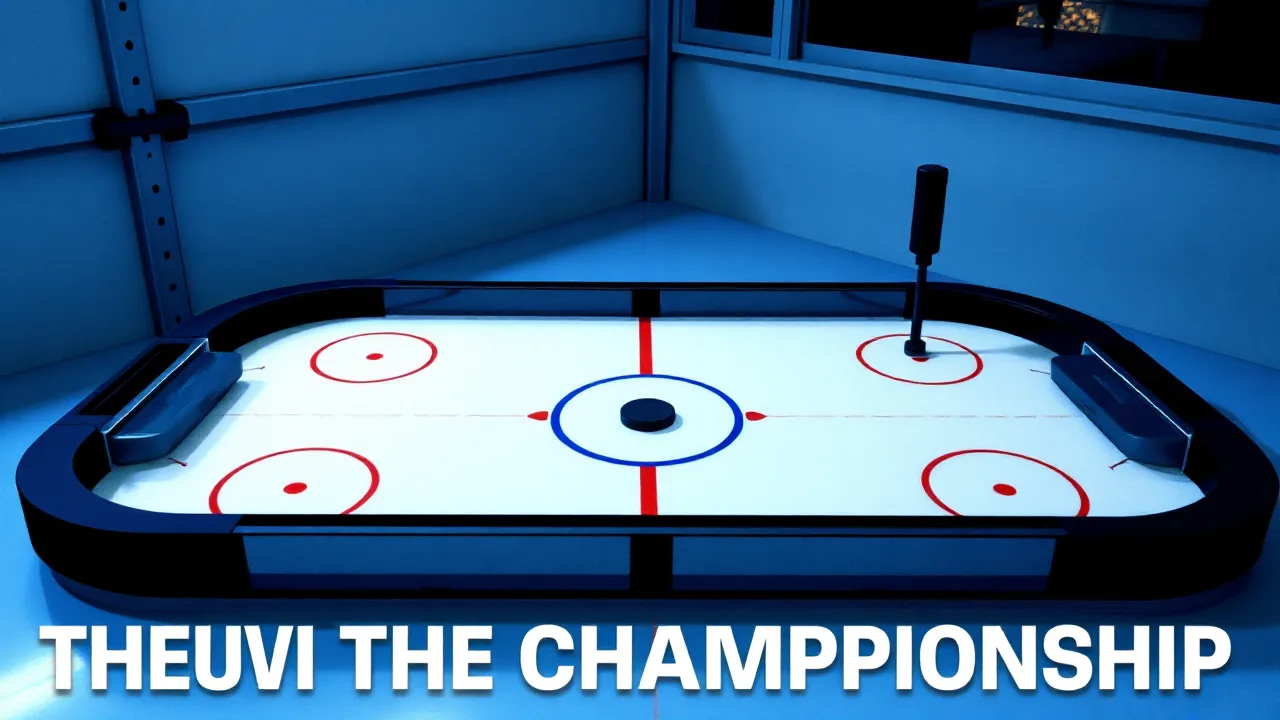
Discover the fast-paced excitement of air hockey cup on crazy games, a digital tabletop challenge that brings the arcade classic to your screen with smooth controls and competitive flair. This guide explores how to play, what makes it engaging, and why it stands out for quick sessions or serious practice.
This keyword page works best when it helps players move from general interest to a more focused selection. For readers who want more games related to air hockey cup on crazy games, air hockey cup on crazy games gives a direct path to similar options without breaking the flow of the page.
Air hockey on a digital platform captures the frictionless glide of the puck and the responsive push of the mallet. The game focuses on clean physics, clear visuals, and immediate feedback so every shot and save feels intentional. It is ideal for players who want a straightforward challenge without complicated setups or long tutorials.
From the first match, the core loop rewards timing and positioning. You aim for angles, block incoming shots, and look for openings to strike. The pace can be slow and tactical or fast and aggressive depending on your opponent, which keeps each round fresh and replayable.
How to Play and Control the Paddle
Controls are designed for precision and ease. Use your mouse or touch input to guide the paddle along your side of the table. Smooth tracking ensures the paddle follows your hand without lag, so you can set up bank shots, defend the goal, and react to sudden counters.
Focus on small adjustments rather than large swings. Gentle nudges help you keep the puck in play and build rhythm. When you see a lane open, commit to a confident strike and follow through with a quick recovery to stay ready for the next exchange.
Winning Tactics for Consistent Play
Success starts with positioning. Keep your paddle slightly forward to cut off angles, but do not push so far that you leave the goal exposed. Use the walls to redirect shots, and aim for corners to force difficult saves. Patience is key; wait for a clean opportunity rather than forcing a risky shot.
On defense, mirror the puck and anticipate trajectories. When the puck moves wide, adjust your angle to meet it before it curves back. Practice short passes along the side to set up stronger attacks, and remember that control often beats raw speed.
Quick Reference: Game Features and Controls
| Feature | Details |
|---|---|
| Gameplay style | One-on-one tabletop competition focused on precision and timing |
| Controls | Mouse or touch input for smooth, responsive paddle movement |
| Session pace | Quick rounds suitable for short breaks or extended practice |
| Device fit | Works on desktop and mobile browsers with consistent performance |
| Category match | Sports and arcade-style tabletop competition |
Improving Aim and Shot Selection
Aim improves with deliberate practice. Start by targeting specific zones on the goal and track which angles are most reliable. Use the edges to create bank shots that open space and challenge the opponent’s positioning. Over time, you will build a mental map of high-percentage shots.
Shot selection should balance risk and reward. Low-power shots can set up follow-ups, while strong strikes may end a rally quickly. Mix your approach to keep your opponent guessing, and adjust based on how they defend. If they overcommit, use a fast counter. If they stay deep, try a soft bank shot to draw them out.
Defensive Mindset and Goal Protection
Strong defense wins matches. Keep your paddle centered when the puck is in motion, and shift gradually to cover angles. Do not chase the puck into corners; instead, cut off its return path and force a predictable trajectory. This reduces the chance of sudden goals against you.
Goal protection also involves patience. If the puck bounces erratically, slow the pace and regain control. Clear the zone with a gentle touch rather than a panic strike. A calm defense creates opportunities for counterattacks when the opponent overextends.
Practice Drills and Progression
Set small goals for each session. Start with five minutes of wall-passing to build touch, then move to a short match to test your skills. Track your consistency, not just wins. Notice when you maintain possession, create angles, and recover quickly after mistakes.
Progression comes from repetition and reflection. After each match, consider one adjustment you can make, such as improving your starting position or refining a bank shot. Small changes compound into noticeable improvements, and the game’s quick rounds make it easy to iterate.
FAQ
What is the best way to start a match? Begin with a soft shot to test your opponent’s reaction and see how they defend. This gives you information about their tendencies without risking an early goal.
How do I defend against fast shots? Focus on positioning rather than speed. Keep your paddle in the center lane and adjust in small steps. Anticipate the puck’s path and meet it before it gains momentum.
Can I play on mobile devices? Yes, the game supports touch input and scales well to different screen sizes. Smooth controls ensure accurate paddle movement on both phones and tablets.
What should I practice first? Start with basic puck control and simple bank shots. Once you can keep the puck in play and aim consistently, add more advanced strategies like feints and quick counters.
How do I keep matches fun and fair? Stick to steady pacing and avoid spamming strikes. Focus on clean play, good sportsmanship, and learning from each round rather than chasing only wins.