



















Mastering the Strategy Behind Mahjong Connect
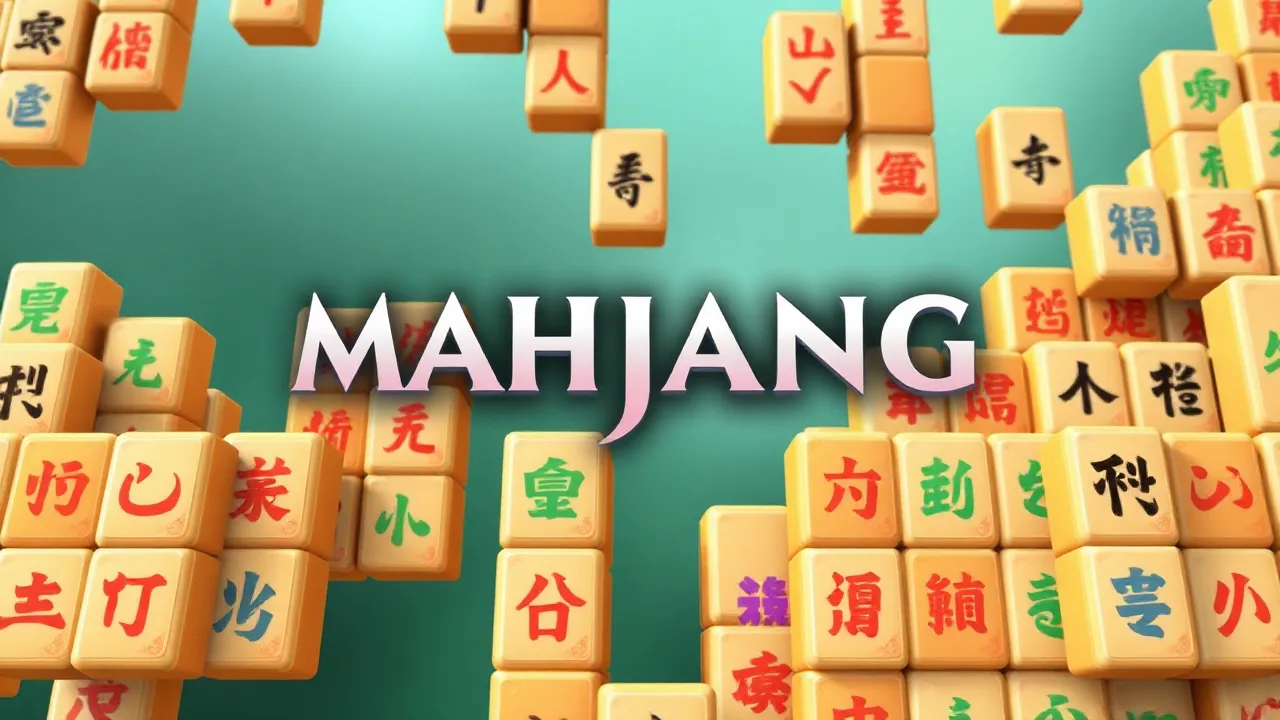
Dive into the world of tile-matching puzzles with a refreshing twist on a timeless classic. This game combines the visual charm of traditional tiles with a fast-paced, logic-driven mechanic that tests your pattern recognition skills. Whether you are looking for a quick mental break or a deep dive into strategic planning, this experience offers a perfect blend of relaxation and mental stimulation that keeps players coming back for more.
Unlike traditional variations that require complex wall-building and discard rules, this version focuses entirely on the art of the match. The objective is straightforward yet challenging: locate and connect pairs of identical tiles. However, the catch lies in the pathfinding. You cannot simply click two matching tiles; they must be connected by a line that bends no more than twice. This constraint transforms a simple matching game into a spatial reasoning challenge, forcing you to visualize paths through increasingly crowded boards.
The game begins with a grid filled with various symbols, often featuring bamboo, characters, and circles. As you clear matches, the board opens up, creating new pathways while simultaneously closing off others. The dynamic nature of the board means that the solution to one match might be the key to unlocking a difficult section later on. Mastering the flow of the board is essential for high scores and efficient clearing.
Strategic Tile Selection
Success in this game is rarely about luck; it is about foresight. A common mistake for beginners is to match the first pair they see. While this clears space immediately, it often leaves other tiles stranded in corners or blocked by walls of unmatched pieces. Advanced players scan the entire board before making a move, looking for tiles that are critical blockers. By prioritizing the removal of tiles that obstruct multiple potential paths, you ensure that the board remains open and playable for longer periods.
Consider the "layering" of the puzzle. Some tiles are easy to reach, while others are buried deep within the formation. A solid strategy involves working from the outside in or clearing specific quadrants systematically. This prevents the board from becoming a chaotic mix of isolated tiles that are impossible to connect. Always ask yourself: "Does removing this pair help me reach another pair?" If the answer is no, it might be better to leave it for later.
Game Overview
| Feature | Details |
|---|---|
| Gameplay Style | Tile-matching puzzle with pathfinding constraints |
| Controls | Mouse click or touch input for selection |
| Session Pace | Variable; ranges from relaxed to time-pressured |
| Device Fit | Optimized for both desktop browsers and mobile screens |
| Category Match | Logic, Puzzle, Brain Teaser, Casual Gaming |
Visual Clarity and Pattern Recognition
One of the most engaging aspects of this puzzle is the visual design. The tiles are typically rendered with crisp, distinct iconography that makes identification easy, even on smaller screens. This clarity is vital because speed often plays a role in your score. Developing a keen eye for symbol recognition allows you to process the board faster. You will start to notice patterns in how the tiles are shuffled, helping you predict where pairs might be hiding.
The satisfaction of seeing a long, complex line connect two distant tiles is a unique reward in itself. The game often provides visual feedback, such as highlighting the path or animating the disappearance of the tiles, which reinforces the logic of your move. This feedback loop helps players learn from their mistakes and refine their pathfinding intuition over time.
The Psychology of the Perfect Clear
There is a specific psychological reward in clearing the entire board, often referred to as a "perfect clear." It signifies total mastery over the current puzzle layout. However, the game is designed to be forgiving. If you reach a point where no moves are possible, most versions offer a shuffle feature. While useful, relying on a shuffle is a sign that your strategy has hit a dead end. True mastery comes from managing the board state so effectively that a shuffle is never needed.
This mental discipline translates well to other areas of life, improving focus and short-term memory. The game serves as a low-stakes environment to train your brain to look for solutions in constrained systems. It encourages a calm, methodical approach rather than a frantic reaction to visual stimuli.
Optimizing Your Play Session
To get the most out of your experience, consider your environment. Since the game relies heavily on visual scanning, playing on a screen with good contrast and brightness will reduce eye strain. For mobile players, ensuring your device is in a comfortable orientation—usually landscape for a wider field of view—can make a significant difference in spotting connections.
Time management is another factor. While you can play endlessly, taking short breaks can actually improve your performance. The brain's pattern recognition centers can fatigue, leading to missed obvious matches. A five-minute break can reset your focus, allowing you to return to the grid with fresh eyes and spot connections that were previously invisible.
Finding Your Flow State
The ultimate goal of playing this tile-matching game is to enter a "flow state." This is a mental zone where the challenge of the puzzle perfectly matches your skill level. You stop thinking about the rules and start intuitively seeing the paths. The background music and sound effects often contribute to this trance-like state, creating a soothing atmosphere. When you are in the zone, the tiles seem to clear themselves, and the logic flows effortlessly. This meditative quality is what separates this game from more stressful, high-action genres.
Frequently Asked Questions
Can I play this game on my smartphone?
Yes, the game is designed with responsive controls that work perfectly on touchscreens. The interface adapts to different screen sizes, ensuring that tiles are large enough to tap accurately without zooming in.
Is there a time limit?
It depends on the specific mode you choose. Some versions offer a relaxed, untimed mode for casual play, while others feature a countdown timer to add a layer of intensity and challenge your speed.
What happens if I run out of moves?
If there are no valid connections left on the board, the game typically allows you to shuffle the tiles. This resets the positions of the remaining pieces, giving you a new chance to find matches and continue the game.
Are there different difficulty levels?
Yes, the difficulty usually scales with the complexity of the board. Early levels might feature smaller grids with fewer unique tile types, while advanced stages introduce larger layouts and a wider variety of symbols to track.
How is the score calculated?
Points are generally awarded for every successful match. Combos, such as matching pairs in quick succession or clearing the board entirely, often yield bonus points, encouraging a fast and efficient playstyle.