




















Mastering noob steve parkour Tips and Tricks
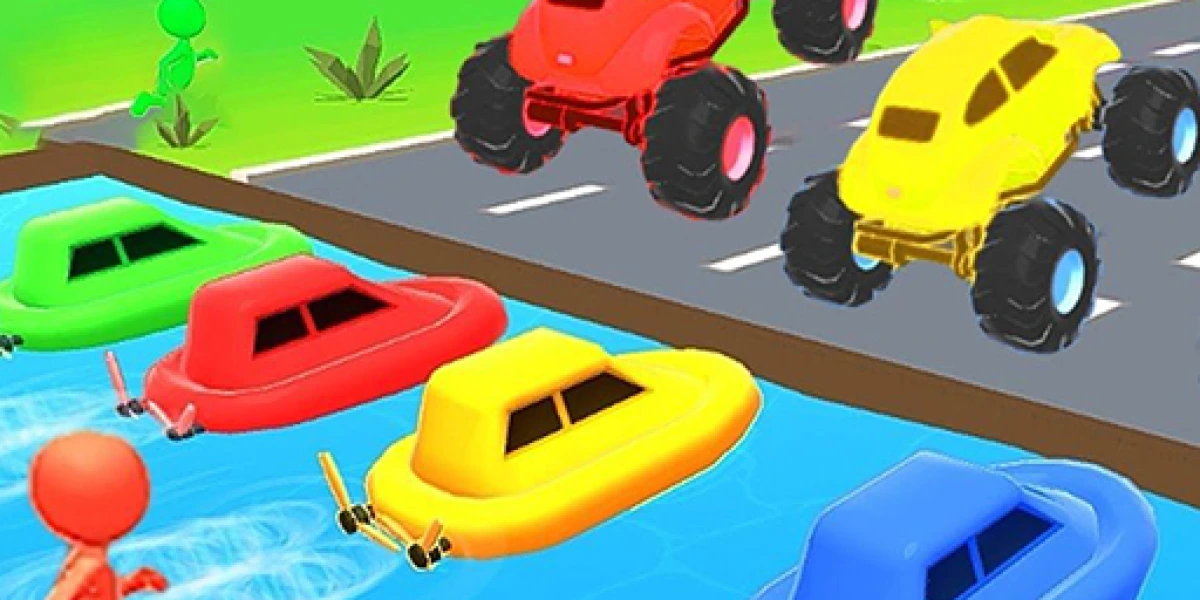
Discover the fun and challenge of noob steve parkour, a fast-paced browser game that invites players to jump, climb, and sprint through obstacle-filled courses. This guide explores practical strategies to improve your movement, timing, and consistency so you can enjoy longer runs and reach new high scores.
Jump into the fast-paced world of noob steve parkour where agility and timing are your best tools for conquering towering obstacles and tricky platforms. This category invites players to test their reflexes and discover fresh challenges that keep every run feeling exciting and rewarding.
noob steve parkour focuses on agile movement across platforms, ramps, and walls. The goal is to maintain momentum while navigating obstacles without falling or losing speed. Players who learn to read the terrain early and make small adjustments can keep their runs smooth and efficient. The game rewards precision and rhythm, encouraging you to practice basic jumps before attempting advanced routes.
Each course presents a mix of safe lanes and risky shortcuts. A good approach is to start with steady, predictable jumps and gradually experiment with wall runs and angled landings. As you become comfortable with the feel of the controls, you can explore faster paths that cut seconds off your time. The key is to balance speed with control, avoiding panic inputs that lead to mistakes.
Essential Movement Techniques
Mastering movement is the heart of the experience. Begin by focusing on clean jumps: approach edges with a slight lead, hold your jump input just long enough, and aim for the center of each platform. Landings matter too; try to touch down with your momentum directed forward so you can immediately sprint into the next move.
Wall interactions can open up faster routes. If a wall is angled or has a visible ledge, test a gentle run and jump to see if you can rebound or slide along it. Short hops between narrow platforms also help you stay agile. Practice keeping your character light on the controls, making tiny corrections instead of large, sudden movements. Over time, these micro-adjustments become second nature and your runs feel smoother.
Quick Reference Gameplay Table
| Feature | Details |
|---|---|
| Gameplay style | Fast-paced parkour with platforming and obstacle navigation |
| Controls | Keyboard movement and jump inputs for responsive action |
| Session pace | Short, replay-friendly runs ideal for quick breaks |
| Device fit | Browser-based play on desktop and laptop devices |
| Category match | Tags and category support action and skill-focused play |
Building Consistency Through Practice
Consistency comes from repetition and reflection. After each run, think about where you lost time or missed a jump. Focus your next attempt on one specific area, such as cleaner landings or tighter turns. Short practice sessions are effective because they keep your focus sharp and prevent fatigue.
Set small goals for each session. For example, aim to complete three runs without falling, then try to beat your best time on a single checkpoint. Celebrate small wins and track your progress mentally. As you improve, you will notice patterns in the course layout and develop instincts for choosing safer or faster paths depending on your comfort level.
Timing and Rhythm Tips
Good parkour is about rhythm. Approach each obstacle with a steady tempo and avoid rushing inputs. If a jump feels tight, slow your approach slightly and focus on a clean takeoff. On longer sequences, breathe consistently and keep your hands relaxed to prevent shaky movements.
Listen to the flow of your character’s motion. Smooth runs often have a cadence where jumps and landings connect like steps in a dance. When you feel that rhythm, you can start chaining moves together with confidence. If you break the rhythm, pause briefly at a safe platform and reset your pace before continuing.
Smart Route Planning
Before you sprint, scan ahead for the safest and fastest lines. Look for platforms that line up naturally and avoid unnecessary detours. Sometimes the direct path is not the best; a slight curve can give you better momentum for a long jump. Experiment with different routes during practice runs to learn which options suit your style.
Keep an eye out for visual cues. Bright edges, contrasting textures, or subtle slopes often indicate a good landing or a helpful rebound point. Use these cues to plan your next two or three moves in advance. Planning ahead reduces hesitation and keeps your runs fluid.
Common Mistakes and How to Avoid Them
Many players struggle with overjumping, where they use too much power and fly past a platform. To avoid this, tap your jump input lightly and aim for controlled arcs. Another frequent issue is panic turning, which causes you to lose speed. Instead, steer gently and maintain a straight line whenever possible.
Falling often happens when players rush without reading the course. Slow down just enough to process the next obstacle, then accelerate once you have a clear plan. If you make a mistake, recover quickly by landing on a lower platform and rejoining your route instead of restarting immediately.
Staying Motivated and Having Fun
Progress in parkour is gradual, so keep your expectations realistic. Enjoy the process of learning new moves and discovering faster lines. Share your best moments with friends or challenge yourself to beat personal records. The game is designed for short, satisfying sessions that fit into your day.
Remember that every run teaches you something. Even failed attempts help you build timing and awareness. With patience and practice, you will see clear improvement and feel the thrill of smooth, confident movement through the course.
FAQ
What is the main objective in noob steve parkour?
The objective is to complete obstacle courses by jumping, climbing, and sprinting with control and speed to achieve the best time and score.
How can I improve my jumps and landings?
Focus on clean takeoffs, aim for the center of platforms, and make small adjustments to keep your momentum moving forward after landing.
Are there faster routes to discover?
Yes, practice runs reveal safer and faster lines. Look for visual cues and experiment with different paths to find what works for your style.
What should I do if I keep falling?
Slow your approach, read the course ahead, and make gentle inputs. Practice specific sections until they feel comfortable before chaining them together.
Is the game suitable for short sessions?
Absolutely. The browser-based design and quick runs make it easy to play in short breaks while still making steady progress.
Ready to put these tips into action? noob steve parkour awaits—start your run and see how far your skills can take you.