


Kid: An Adventure Game Worth Exploring
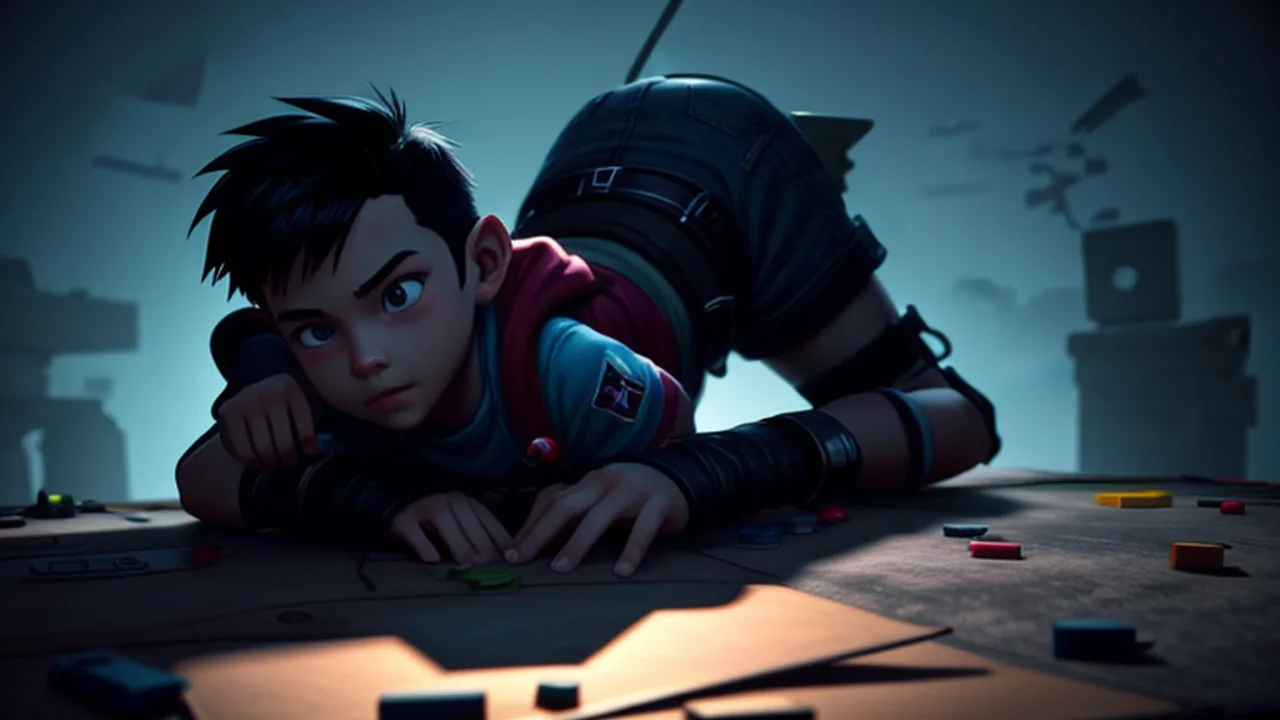
Kid is an adventure game that invites players into a compact, story-driven journey where curiosity and quick thinking shape the experience. Whether you are looking for a short session or a longer dive into its world, this game offers a welcoming entry point for anyone who enjoys exploration, discovery, and a touch of challenge along the way.
What Kind of Adventure Game Is Kid?
Understanding the Core Gameplay
Kid falls into the adventure games category, which means the experience centers on exploration, problem solving, and progression through a themed world. Rather than relying on fast reflexes alone, adventure games reward players who pay attention to their surroundings, interact with the environment, and piece together what comes next. This makes Kid a good fit for players who enjoy thinking through a situation before acting.
The game is tagged simply as Kid, keeping its identity straightforward and easy to find. Players who search for this title within a broader game catalog will recognize it by name and category without confusion.
| Feature | Details |
|---|---|
| Gameplay style | Adventure-focused exploration and progression |
| Controls | Simple input suited for quick sessions |
| Session pace | Flexible, works for short or extended play |
| Device fit | Well suited to browser-based play |
| Category match | Adventure Games |
How Exploration Drives the Experience
Exploration is the heartbeat of any adventure game, and Kid is no exception. Players move through the game world with an eye for detail, looking for paths that open up, objects that interact, and clues that point toward the next step. Each area you uncover builds a sense of momentum, encouraging you to push further and see what lies ahead.
The pacing of exploration in Kid strikes a balance between discovery and forward movement. You are never left wandering without direction for too long, yet the game gives you enough room to look around and absorb the environment at your own speed.
Why This Title Appeals to Casual and Committed Players
One of the strengths of Kid is its accessibility. Casual players can jump in, enjoy a few minutes of play, and step away without feeling like they have lost progress. At the same time, players who want to dig deeper will find enough substance to keep them engaged over a longer session.
This dual appeal makes it a practical choice for different moods. Sometimes you want a relaxed experience with low pressure, and other times you want to focus and work through challenges methodically. Kid supports both approaches without forcing one play style over another.
Getting Started With Your First Session
Jumping into Kid is straightforward. The game introduces its mechanics naturally, so you do not need to spend time reading long instructions before you begin. Within the first few moments, you will have a feel for how movement works, how interaction is handled, and what the game expects from you as you progress.
If you are new to adventure games generally, this is a gentle starting point. The design encourages learning by doing, which means you pick up the basics through play rather than through menus or tutorials. Once you understand the rhythm, the rest of the experience flows smoothly.
What Keeps Players Coming Back
Replay value in adventure games often comes from the desire to revisit areas with fresh eyes or to move through the experience more efficiently the second time around. Kid supports this by rewarding attention to detail. Players who notice things on a first pass may discover shortcuts or interactions they missed initially.
The sense of progression also plays a role. Each completed section gives a satisfying feeling of accomplishment, and the pull to see what comes next keeps sessions going longer than you might have planned. It is the kind of game that fits naturally into a routine of free online games you return to when you have a spare moment.
Tips for Getting the Most Out of the Game
Take your time in the early sections. The habits you build in the first few minutes, such as checking corners and interacting with everything available, will serve you well throughout the rest of the game. Rushing through an adventure game often means missing details that make the experience richer.
Pay attention to how the environment changes as you progress. Adventure games frequently signal what comes next through visual cues, and Kid is no exception. Learning to read those signals will help you move through challenges with more confidence and less trial and error.
Who Should Play This Game
Kid is a strong pick for players who enjoy story-driven exploration without the pressure of competitive gameplay. If you like the idea of uncovering a world at your own pace, solving light challenges, and experiencing a game that respects your time, this title delivers on those expectations.
It also works well for players building out a personal game library of adventure titles. Having a reliable, approachable game in your rotation means you always have something enjoyable to return to when you want a familiar experience with just enough novelty to stay interesting.
Frequently Asked Questions
What category does Kid belong to?
Kid is classified as an adventure game, which means the focus is on exploration, progression, and engaging with the game world rather than on competitive or reflex-heavy mechanics.
Is Kid suitable for short play sessions?
Yes. The game is designed to accommodate both quick sessions and longer playthroughs, so you can enjoy it whether you have five minutes or an extended block of free time.
Do I need prior experience with adventure games?
No. Kid is welcoming to newcomers. The mechanics are introduced naturally through play, so you can start without needing to learn a complex control scheme beforehand.
What kind of player will enjoy this game most?
Players who like exploration, light problem solving, and a relaxed pace will get the most out of Kid. It suits anyone who prefers discovery over high-speed competition.
Can I play Kid on different devices?
Kid is well suited to browser-based play, making it easy to access across devices without the need for a dedicated installation. This flexibility adds to its convenience as part of any game catalog you browse regularly.